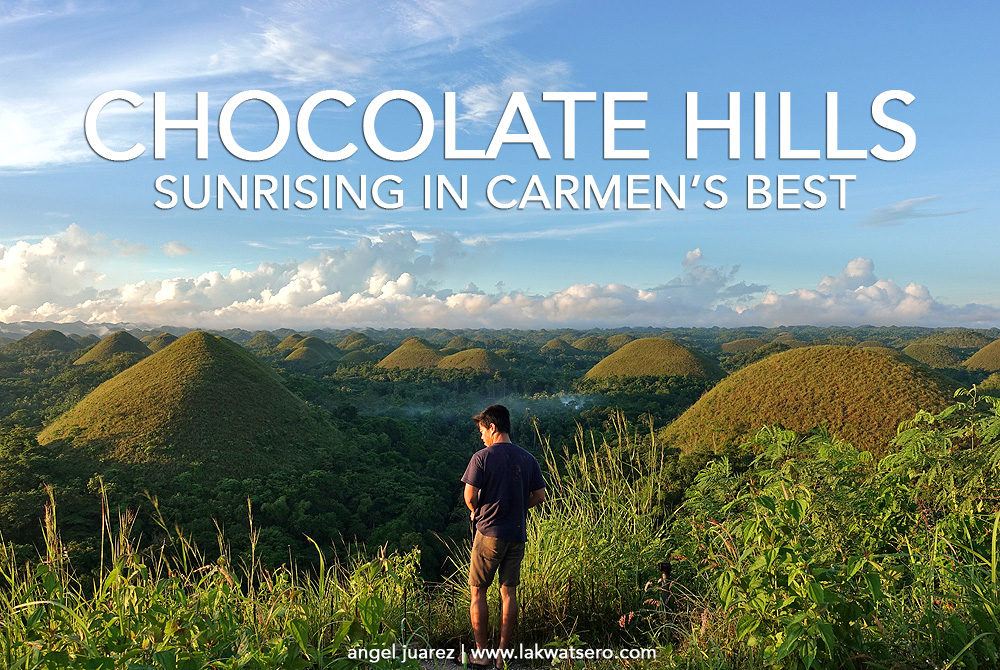
chocolate hills

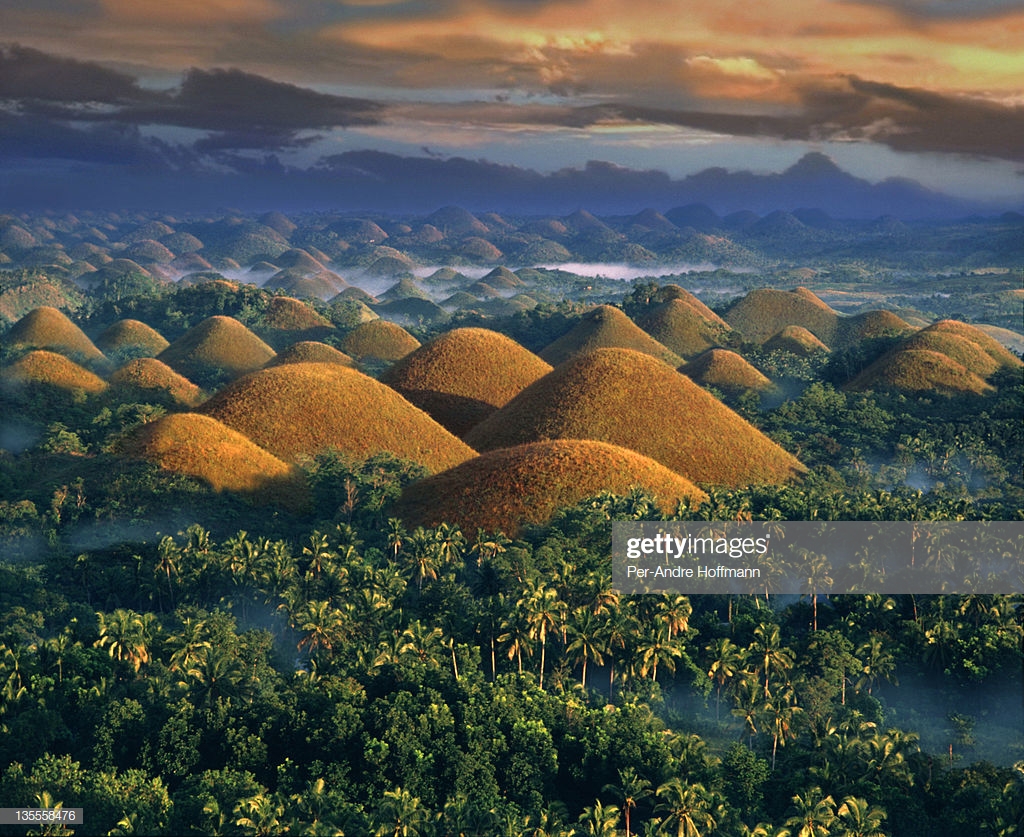
The Chocolate Hills (CebuanoMga Bungtod sa Tsokolate) are a geological formation in the Bohol province of the Philippines.There are at least 1,260 hills but there may be as many as 1,776 hills spread over an area of more than 50 square kilometres (20 sq mi).[They are covered in green grass that turns brown (like chocolate) during the dry season, hence the name.

The Chocolate Hills is a famous tourist attraction of Bohol. They are featured in the provincial flag and seal to symbolize the abundance of natural attractions in the province.They are in the Philippine Tourism Authority’s list of tourist destinations in the Philippines;[ they have been declared the country’s third National Geological Monument and proposed for inclusion in the UNESCO World Heritage List.
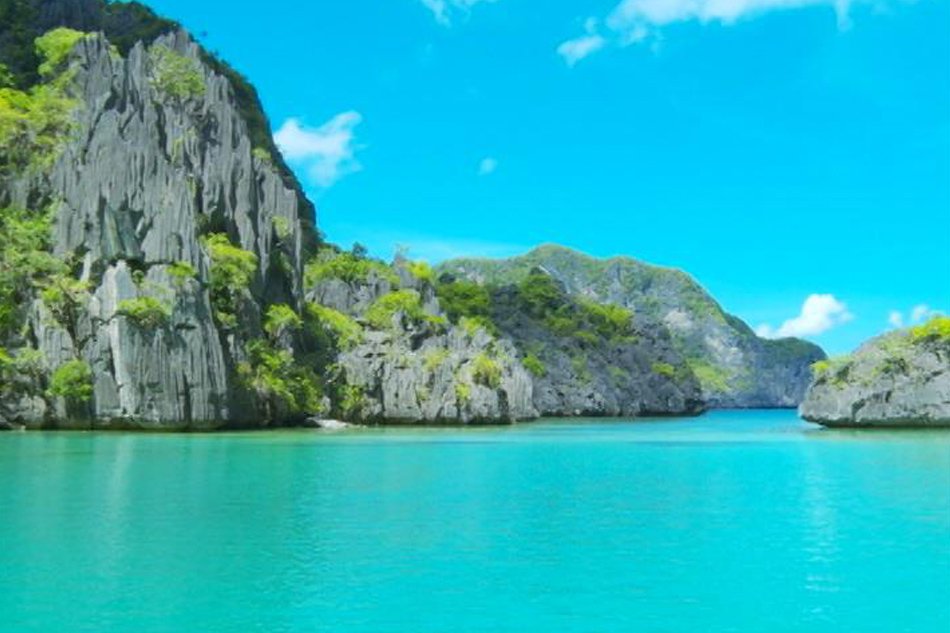
el nido palawan

El Nido, officially the Municipality of El Nido, is a 1st class municipality in the province of PalawanPhilippines. According to the 2015 census, it has a population of 41,606 people.[

It is about 420 kilometres (260 mi) south-west of Manila, and about 238 kilometres (148 mi) north-east of Puerto Princesa, Palawan’s capital.A managed resource protected area[, it is known for its white-sand beaches, coral reefs, limestone cliffs and as the gateway to the Bacuit archipelago.

El Nido is currently ranked #4 in Condé Nast Traveler‘s list of “20 Most Beautiful Beaches in the World.”  CNNGo has called it the Best Beach and Island destination in the Philippines for its “extraordinary natural splendor and ecosystem.”

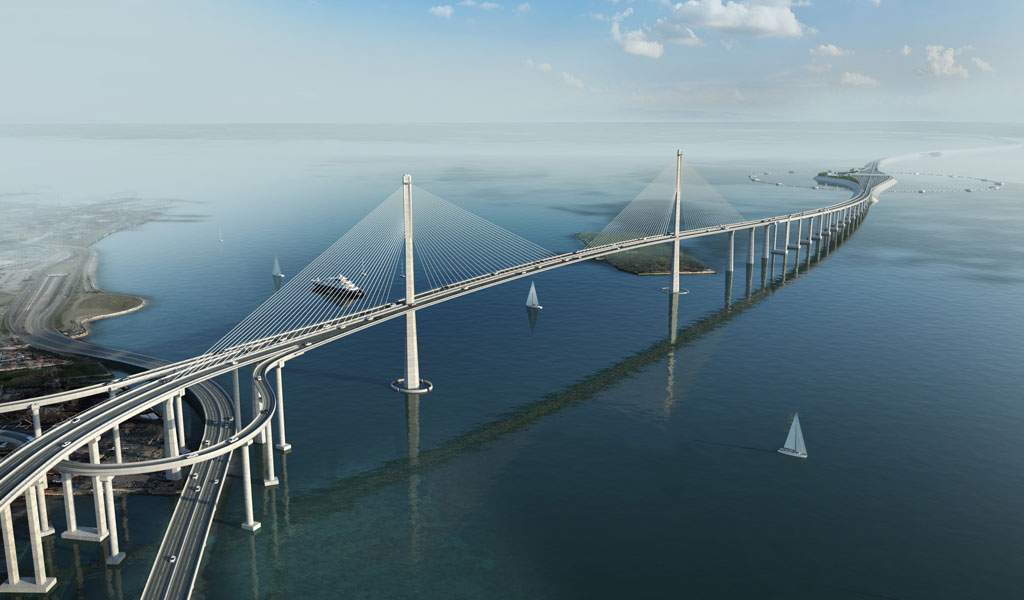
cebu

Cebu (/seɪˈbuː/ CebuanoSugbu) is a province of the Philippines located in the Central Visayas (Region VII) region, and consists of a main island and 167 surrounding islands and islets. Its capital is Cebu City, the oldest city and first capital of the Philippines, which is politically independent from the provincial government.

The Cebu Metropolitan Area or Metro Cebu is formed by 7 neighboring cities (Carcar CityCebu CityDanao CityLapu-Lapu CityMandaue CityNaga City, and Talisay City) and 6 municipalities (CompostelaConsolacionCordovaLiloanMinglanilla, and San Fernando).

Cebu is one of the most developed provinces in the Philippines with Metro Cebu being the second largest metropolitan area in the Philippines (after Metro Manila) and Cebu City as the main center of commerce, trade, education and industry in the Visayas. In a decade it has transformed into a global hub for business processing services, tourism, shipping, furniture-making, and heavy industry.

Mactan–Cebu International Airport, located on Mactan Island, is the second busiest airport in the Philippines

tagaytay

Tagaytay, officially the City of Tagaytay, (TagalogLungsod ng Tagaytay), or simply known as Tagaytay City, is a 2nd class city in the provinceof CavitePhilippines. According to the 2015 census, it has a population of 71,181 people.[

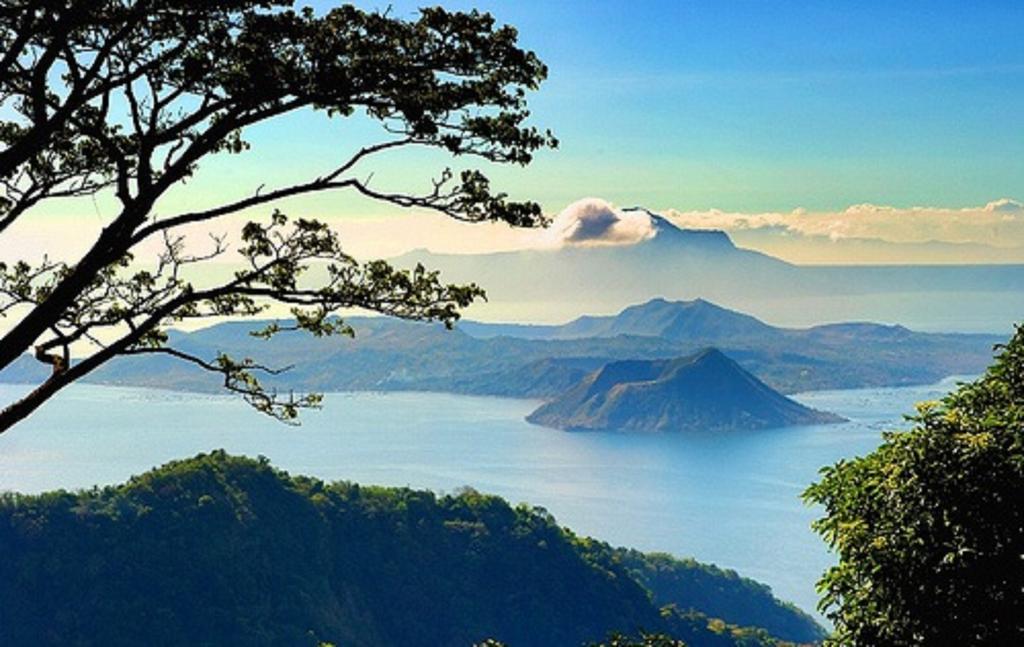
It is one of the country’s most popular tourist destinations because of its scenery and cooler climate provided by its high altitude. Tagaytay overlooks Taal Lake in Batangas and provides views of Taal Volcano Island in the middle of the lake through various vantage points situated in the city.

Tagaytay is relatively close to the capital city of Manila, only 59 kilometres (37 mi) away via Aguinaldo Highway, providing an easy escape for the locals from the heat of the huge metropolis.

rizal park

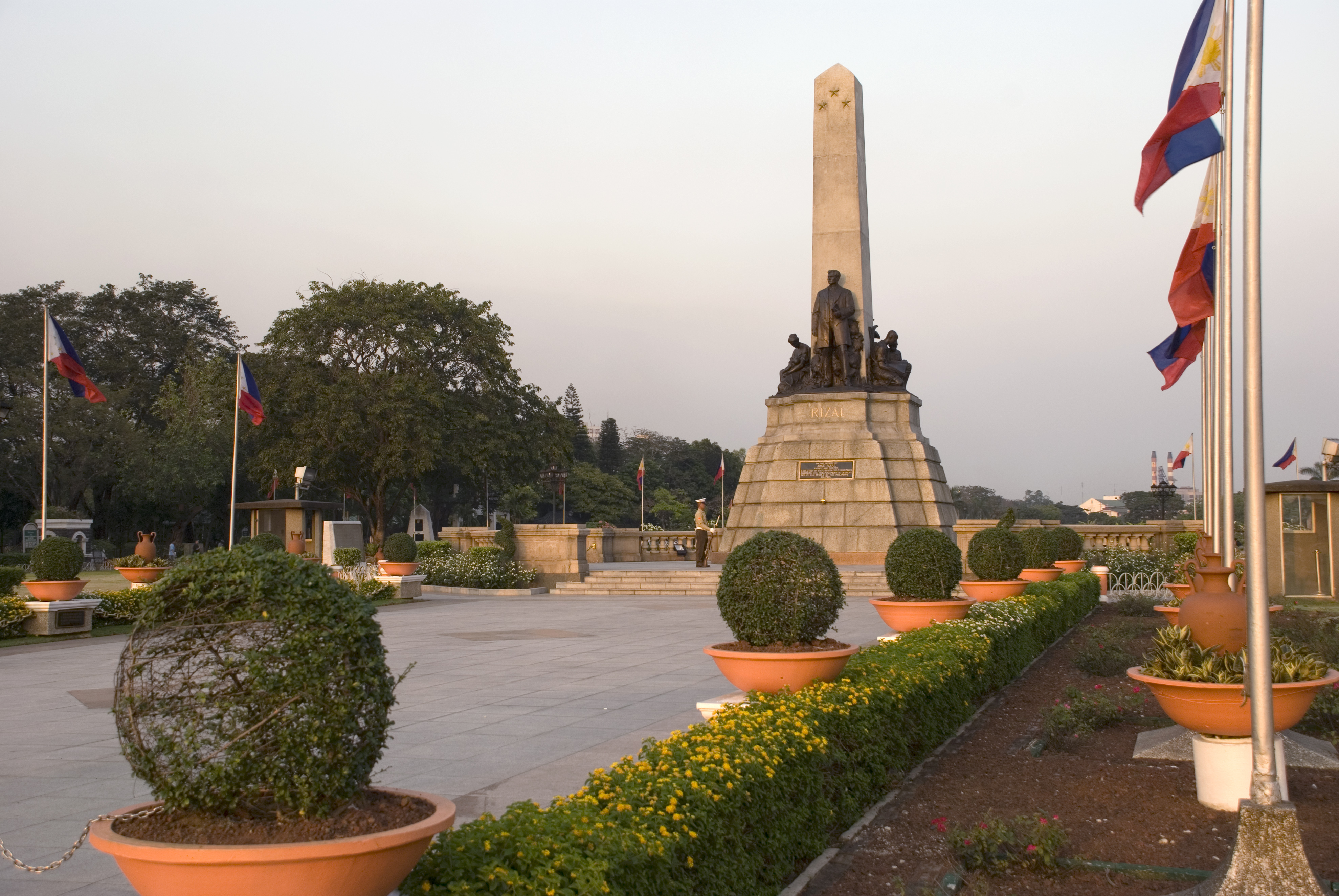
Rizal Monument in Rizal Park.

Rizal Park (FilipinoLiwasang RizalSpanishParque Rizal), also known as Luneta Park or simply Luneta, is a historical urban park in the Philippines. Located along Roxas BoulevardManila, adjacent to the old walled city of Intramuros, it is one of the largest urban parks in Asia. It has been a favorite leisure spot, and is frequented on Sundays and national holidays. Rizal Park is one of the major tourist attractions of Manila.

Situated by the Manila Bay, it is an important site in Philippine history. The execution of Filipino patriot José Rizal on December 30, 1896 fanned the flames of the 1896 Philippine Revolution against the Kingdom of Spain. The area was officially renamed Rizal Park in his honor, and the monument enshrining his remains serves as the park’s symbolic focal point. The Declaration of Philippine Independence from the United States was held here on July 4, 1946 as were later political rallies including those of Ferdinand Marcos and Corazon Aquino in 1986 that culminated in the EDSA Revolution.